
Pasta Museum in Rome
· Updated · BootsnAll
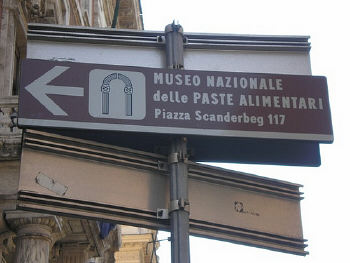 Rome had a pasta museum for fourteen years, and a lot of travel sites still list it as if you could walk in tomorrow. You can't. The Museo Nazionale delle Paste Alimentari (National Museum of Pasta Foods) closed to the public in 2007 and never reopened. Here's what it was, what happened to it, and where to go if you really do want to spend an afternoon looking at pasta presses.
What the museum was
The museum opened in 1993 in Palazzo Scanderbeg, on little Piazza Scanderbeg a couple of minutes' walk from the Trevi Fountain. It was set up by the Fondazione Vincenzo Agnesi, the foundation of the Ligurian family behind the Agnesi pasta brand, and it billed itself as the only museum of its kind in the world. That wasn't quite true (more on that below), but it was the only one in a capital city, and for a while it made the list of every guide to weird and wonderful Rome.
It filled eleven rooms over two floors, one of them a basement, and each room took one piece of the story:
- Grain. A millstone and panels on how durum wheat becomes semolina.
- Machines. A Ligurian room of scale models of pasta-making machinery, a room of hand presses with their bronze dies (the trafile that give each shape its texture), and a working early industrial pasta plant.
- History. A room on the 12th-century evidence for dried pasta in Sicily, which is the museum's answer to the Marco Polo story. Dried pasta was being made and shipped from Sicily well before he was born, so the idea that he brought it back from China is a myth.
- Art and celebrity. Paintings by artists who took pasta as a subject, and a room of photographs of famous people eating it.
- Nutrition. The last room, on what pasta does for you, which was about as exciting as it sounds.
There was also a library of more than 1,000 books on the history, culture and production of pasta, plus a collection of old edicts and pasta-factory catalogs. And, as any good museum tour should, the visit ended in the gift shop, which sold something you won't find in many museum shops: pasta.
What happened to it
The museum closed in 2007 and its collections went back into the care of the foundation. The Rome website is long gone, so ignore any listing that still gives opening hours or a ticket price for Piazza Scanderbeg.
The foundation didn't give up on the idea, though. It went back to where the whole thing started. In 1958 Vincenzo Agnesi and the food writer Massimo Alberini had opened the Museo Storico degli Spaghetti in Pontedassio, the Ligurian village inland from Imperia where the Agnesi pasta business began. That was the real first pasta museum in the world, and the Rome museum grew out of it. In 2021 the foundation signed an agreement with the town of Pontedassio to open a new Museo della Pasta there. With money from the Ministry of Culture a building has been restored to house it, and in 2026 the foundation says it is still working out what the museum will be. There is no opening date, so don't plan a trip around it yet. The foundation's museum page is the place to watch.
In the meantime the foundation still runs its annual Premio del Museo, a pasta culture prize now in its 26th edition, and publishes recipes and a magazine on its site.
Where to see a pasta museum now
If you want the museum experience, go to Emilia-Romagna rather than Rome. The Museo della Pasta at Corte di Giarola in Collecchio, just outside Parma, is one of the province's Musei del Cibo (food museums), alongside the ones for Parmigiano Reggiano, prosciutto and tomatoes. In 2026 the food museums open on weekends and public holidays, 10:00 to 18:00, from late February; check the Musei del Cibo site for the season and tickets. If you're driving between Milan and Florence, it's an easy detour, and you can do two or three of the food museums in a day.
If you're only in Rome, skip the pilgrimage and eat the exhibits. Order cacio e pepe, carbonara, amatriciana and gricia over a few days, the four classic Roman pastas, and you'll learn more about how Italians think about pasta than eleven rooms of machinery ever taught anyone. Our guide to Italian pasta names will help you read the menu, and if you want to try it at home there's our carbonara recipe.
>> Check out my recommendations for more weird sights in Rome you can visit!