Top 10 Things to Do in Venice
· Updated · BootsnAll
 Ask the Venice tourist office what to see and you’ll get a long list of “must-sees,” only a fraction of which actually are. If you have a day or two, you want the real highlights, and you don’t want to pay a hefty ticket price for a tourist trap.
So here’s my list, in order of importance. If you’re short on time, start at the top and work down as far as you get. And if you think I’ve left something out or put things in the wrong order, I’m happy to hear it, though I can’t promise I’ll agree.
>> You can fit all of these (and more) into my 2-day itinerary for Venice.
Before you go
- Day-trippers pay an access fee on peak days. On set days between April and July, anyone 14 or over visiting the historic center between 8:30am and 4pm without staying the night pays a fee. In 2026 it was 5 euros booked at least four days ahead and 10 euros after that, on 60 days from 3 April to 26 July. Overnight guests don’t pay (they pay the hotel tax instead) but must register for a free QR code. Murano, Burano and the Lido aren’t covered. Check the calendar at cda.ve.it.
- St. Mark’s Basilica is no longer free. Details below.
- Big sights run on booked time slots. Buy online and you skip most of the queues.
The single best thing you can do is sleep in Venice for at least one night. Items 1 and 3 on this list barely work otherwise.
Top 10 Things to Do in Venice (According to Jessica)
 Get Lost in Venice
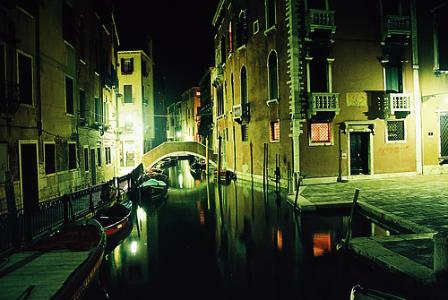
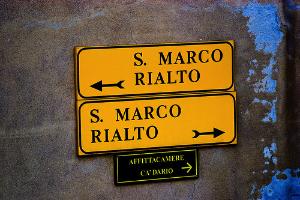
Nothing, and I mean nothing, matters more in Venice than wandering its alleys with no plan. If you had only three or four hours, I’d tell you to do this before you set foot in a single museum. Point yourself in the opposite direction from the crowd and within ten minutes you’ll find empty squares, laundry strung over side canals and neighborhood bars full of Venetians. The Castello and Cannaregio districts are the easiest places to escape the crowds. Put the map away. When you want to find your way back, the yellow signs painted on corners point to “Per Rialto” and “Per S. Marco.” I consider “get lost in Venice” an order, not a suggestion.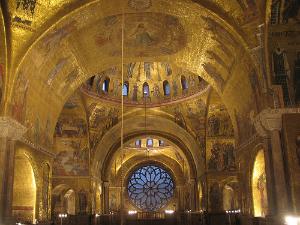 Visit St. Mark’s Basilica
I love visiting churches in Italy, and this is my favorite in the country by a wide margin. Outside it’s onion domes and multicolored marble columns; inside it’s floor-to-ceiling gold mosaics. Entry to the basilica alone costs about 10 euros in 2026, and children under 11 go free. Book a time slot on the official basilica ticket site and you skip most of the line out front. Combined tickets for the extra areas run about 20 to 30 euros. If you pick just one extra, take the steep staircase from the entrance up to the museum: it has the original bronze horses that once stood over the square, and it lets you out onto the terrace above the piazza. Cover your shoulders and knees, and leave big bags at the free left-luggage point nearby, since they aren’t allowed inside.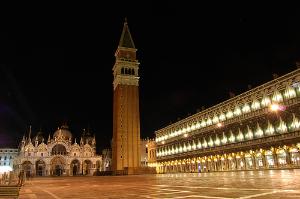 See St. Mark’s Square When It’s Empty
After telling you to walk away from the crowds, putting St. Mark’s Square this high may seem odd. The point is to see it when nobody else is there. Go early, before the day-trippers and the first tour groups arrive, or late, after dinner. Venice isn’t a nightlife town, so the square empties fast once the restaurants close. Personally I like it best at night, with the café orchestras packed up and the basilica lit. Don’t sit on the steps or monuments with food: Venice fines people for eating and drinking in the wrong spots.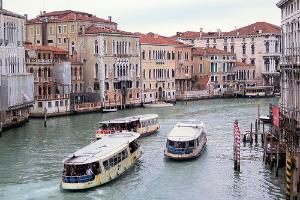 Ride the #1 Vaporetto Down the Grand Canal
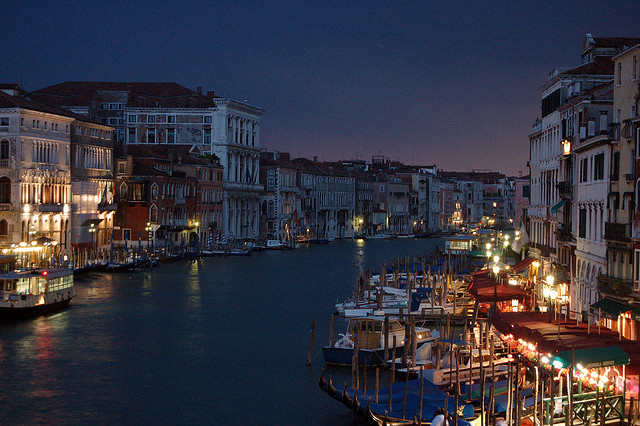
Walking is the best way around Venice, but the Grand Canal has only four bridges, and a ride on Venice’s water buses is half the fun. The slow line 1, which stops at almost every landing from Piazzale Roma to the Lido, is the best-value sightseeing tour in the city. A single ticket costs about 9.50 euros in 2026 and is valid 75 minutes, so if you plan more than two rides a day, get a pass (about 25 euros for 24 hours). Try for an outside seat at the front or back, bring a self-guided tour from your guidebook or just watch the palaces go by, and add some gelato if you can manage it.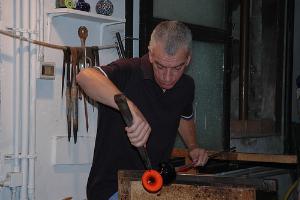 Watch Glass Being Made on Murano
Many of the glass-blowing demonstrations on Murano exist mainly to walk you into a showroom, but I keep this on the list anyway. Most people have never seen glass worked by hand, and watching it is fun even when it’s touristy. Murano is also the closest and easiest of the lagoon islands to reach. Skip the “free” boat your hotel or a glass shop offers; take the vaporetto instead, walk past the showrooms by the landing, and visit the Glass Museum. There’s more on the island and its 600-year glassmaking families in our Murano guide.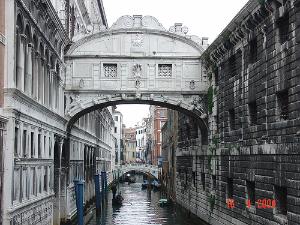 Tour the Doge’s Palace
Next door to (and partly joined to) the basilica, the Doge’s Palace is Venice’s second great sight. You can only buy it as part of the St. Mark’s Square museums ticket, which also covers the Museo Correr: about 35 euros full price in 2026, or about 30 euros if you book online more than 30 days ahead, from MUVE. It’s pricey, but the council chambers are huge and gilded, and the route takes you across the Bridge of Sighs into the prisons. You can see the bridge from outside for free, but the only way to walk across it is on a Doge’s Palace visit.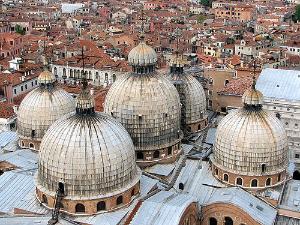 Take the Elevator Up the Campanile
The basilica terrace gives you a view of the square, but you can’t see the basilica’s own domes while you’re standing on it. For that, take the lift up the Campanile, the bell tower in the square. Tickets are about 15 euros in 2026 on the basilica ticket site. The view takes in the domes, the piazza, the lagoon and on clear days the Alps, and you get an up-close look at the bells that ring the hours across the city. Unless you like your ears ringing, go up at some time other than on the hour.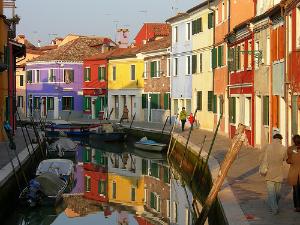 Wander Burano
With extra time, go on from Murano to Burano. As a rule, the further into the lagoon you go, the thinner the crowds, and Burano is usually calmer than Murano, especially late in the day. Its houses are painted in cartoon-bright colors, and I defy you to walk around for half an hour without smiling. Burano is also the lace island; its Lace Museum shares a ticket with the Murano and Torcello museums (the Island Museums ticket, about 20 euros in 2026).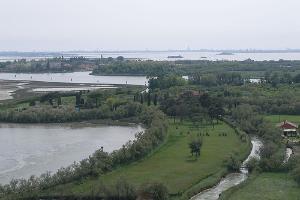 Walk Around Torcello
Even more time, and even more tired of crowds? Take the short boat hop from Burano to my favorite island in the lagoon. Torcello was settled before Venice itself, and today only a handful of people live there. It’s marshland and open sky, with a few places to eat and a path from the landing to the cathedral of Santa Maria Assunta, founded in the 7th century. Its mosaics, including a huge Last Judgment, are a must if you loved St. Mark’s. Allow at least an hour on the island, and check the return boat times before you set off.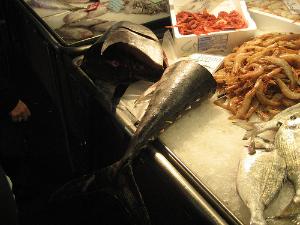 “Window” Shop at the Rialto Market
If you’re not a foodie, you might not put a market in your top 10. But I love food markets, and in Venice this one tells you how a city of islands with no farmland actually feeds itself. Restaurant cooks and ordinary Venetians shop here side by side. The fish market under the old arcaded hall is the star, with fruit and vegetable stalls around it. Go in the morning, when it’s busiest, and remember that it’s shut on Sundays and the fish stalls also close on Mondays. If you’re buying, don’t handle the produce: point, and the vendor will pick and bag it for you. The Rialto Bridge is right there when you’re done.
What’s not on the list
You’ll notice a gondola ride isn’t here. I know plenty of people feel they haven’t been to Venice without one. I think they’re overpriced and nowhere near as quiet or romantic as you imagine, so a gondola isn’t just missing from my top 10, it’s missing from my Venice list altogether. If you want a taste of it for a few euros, cross the Grand Canal on a traghetto, the stand-up gondola ferry locals use.
>> Read my 5 best Venice travel tips, too.
original photos, top to bottom, by: Janrito Karamazov, penner42, mookiefl, sharedferret, VaakOpStap, Mr G’s Travels, Eustaquio Santimano, flappingwings, dachalan, Argenberg, and rfarmer