Planning a Low Season Trip to Italy
· Updated · BootsnAll
 Italy's low season runs from early November to mid-March, give or take the holidays. It's when flights and hotels are cheapest, the lines at the Vatican and the Uffizi shrink to something bearable, and the cities go back to being places where Italians live rather than stage sets for tour groups. You trade that for shorter days, colder weather and some rain, and a coastline that has mostly shut for the winter.
For a city trip we think it's the best-value time to see Italy. For a beach trip, it's the wrong season entirely. Here's how to plan it.
When low season actually is
Summer is the peak, and the months either side are busy too. May and September are lovely but priced close to summer. Real low season looks like this:
- Late fall (early November to early December): the sweet spot. Autumn food is at its best, the weather is often still mild in the south, and prices drop sharply after the start of November. November is the wettest month of the year in Rome and much of central Italy, so pack for it.
- Christmas to Epiphany (roughly 20 December to 6 January): not low season. Italians travel, hotels in Rome, Venice, Florence and the ski resorts fill up, and prices climb. It's a wonderful time to be in Italy, just not a cheap one.
- Winter (mid-January to February): the cheapest and quietest weeks of the year, apart from Carnevale in Venice. January brings the winter sales, too.
- Early spring (March, before Easter): the days get longer and prices are still low until Easter week, when they jump. In 2027 Easter Sunday falls on 28 March, so Holy Week lands in late March; plan around it or embrace it.
What the weather is really like
Italian winters are milder than most visitors expect in the south and colder than they expect in the north. Rome's winter days are usually in the low to mid 50s°F (around 12 to 14°C), cool and often sunny between rainy spells. Naples and Sicily are a little warmer. Florence is chillier and damper. Venice, Milan and the Po Valley are properly cold, with days around the low 40s°F (5 to 7°C), frequent fog and the occasional frost. The Alps and Dolomites have snow and a ski season from around December into spring.
Days are short: in December it's dark by about 5pm. Plan your sightseeing for the morning and early afternoon, and save the museums for rainy hours.
>> More on weather in Italy and what to wear in Italy in winter.
Where low season works, and where it doesn't
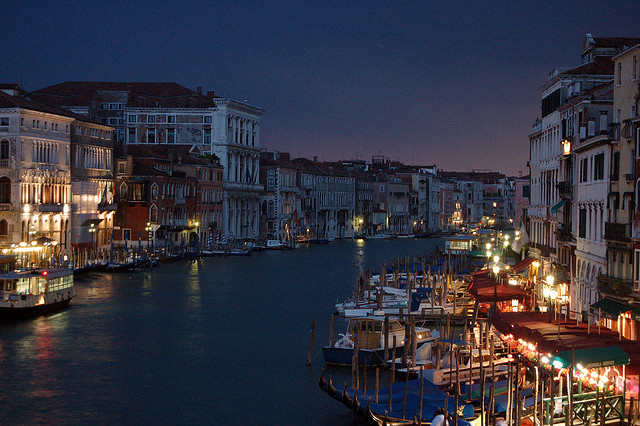
Best in low season: Rome, Florence, Naples, Bologna, Milan, Turin, Siena and the other art cities. Museums, churches, restaurants and markets run all year, and you'll see them with a fraction of the summer crowds. Venice in winter is magical when the fog comes in and the day-trippers stay away, and the day-tripper access fee only applies on set spring and early summer days, so you won't pay it in winter.
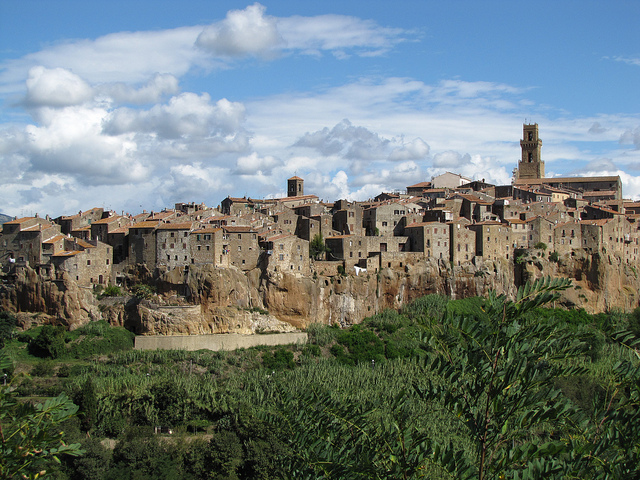
Worth it with caveats: the Tuscan and Umbrian countryside. It's quiet and cheap, many agriturismi stay open, and November is olive harvest and new-oil season. But some rural restaurants and small hotels close for weeks in winter, so book ahead and check opening dates. The Cinque Terre is peaceful, and trains between the villages run all year, but many restaurants and rooms close and coastal paths may shut after winter storms.
Skip until spring: the Amalfi Coast, Capri and the smaller islands. Many hotels and restaurants close from about November to March, ferries are cut back sharply, and the whole point of these places is sitting in the sun by the sea. Sicily's coast is milder, but the beach season is over there too.
What to expect in Venice
Late fall and winter is acqua alta season, when high tides push water into the lowest parts of the city, St. Mark's Square first. Since 2020 the MOSE flood barriers have been raised against the highest forecast tides, so serious flooding is much rarer than it was, but the lowest areas can still get wet on moderate tides. Many hotels keep rubber boots for guests, the city posts tide forecasts, and it's usually over in a few hours.
Low-season events worth planning around
- 1 November, 8 December, 25 and 26 December, 1 and 6 January: national holidays. Shops, and some museums, close or keep holiday hours.
- October to December: the white truffle fair in Alba, over several weekends.
- 13 to 22 November 2026: Eurochocolate in Perugia, which has moved from October to November.
- December: Christmas markets and nativity scenes, above all on Via San Gregorio Armeno in Naples. See Christmas in Italy.
- Early January: the winter sales (saldi) start in the first days of January in most regions and run for six to eight weeks. See the January sales.
- February: CioccolaTo, Turin's chocolate festival; the Sanremo song festival (16 to 20 February 2027).
- Late January to 9 February 2027: Carnevale in Venice, when hotel prices jump. The Battle of the Oranges in Ivrea falls on 7 to 9 February 2027.
>> For the full calendar, see our Italy festivals and holidays page.
Low-season tips
- Book holiday flights early, and set fare alerts for the rest. November and January to February usually bring the cheapest fares to Italy of the year, while Christmas flights sell out.
- Check winter opening hours. Many archaeological sites close earlier in winter; Pompeii, for example, closes at 17:00 from mid-October to mid-March. Some museums shorten their hours too.
- Use the free first Sunday. State museums and sites are free on the first Sunday of every month, and in winter those days are far less of a crush than in summer. You still need to reserve a slot where booking is compulsory.
- Still book the big ones. Low season doesn't mean walk-up tickets for the Colosseum, the Vatican Museums, the Borghese or The Last Supper. Lines are shorter, but timed tickets still sell out, especially at weekends.
- Pack layers, a real raincoat and waterproof shoes. Old stone buildings, including some hotels, can be cold inside. See what to pack for Italy in winter.
Month by month and season by season:
- Fall in Italy, October, November
- Winter in Italy, December, January, February
- Spring in Italy, March
- Cheap Italy airfare
photo by Ed Yourdon