The Weirdest Laws in Italy
· Updated · BootsnAll
 I like to say that Italy invented red tape. It certainly seems that way to anyone who has tried to get anything done through the Italian bureaucracy.
Italy’s odd rules come in two flavors. The first is local: a mayor or a province bans something very specific, and the fine lands on whoever didn’t know. The second is national, usually a court ruling that makes headlines abroad because of how it sounds. A lot of the “crazy Italian laws” lists online mix real rules with pure invention (no, Milan does not fine you for failing to smile, and Rome has no rule against groups of three singing in the street). Here is what is actually true, starting with the rules that can cost you money on a trip in 2026.
The rules that can still get you fined
- Rome: don’t sit on the Spanish Steps. Not eating on them, not damaging them, just sitting. The city banned it in 2019 and fines start at about 250 euros, up to 400 if you damage anything. Eating on or sitting against other monuments is off-limits too, so save the picnic for a park bench.
- Rome: stay out of the fountains. Wading or bathing in any of them is banned, with fines of a few hundred euros. Since February 2026 non-residents also pay 2 euros to go down to the Trevi basin between 9:00 and 22:00; the view from the piazza is still free. (And yes, people have jumped into the Trevi naked. Don’t.)
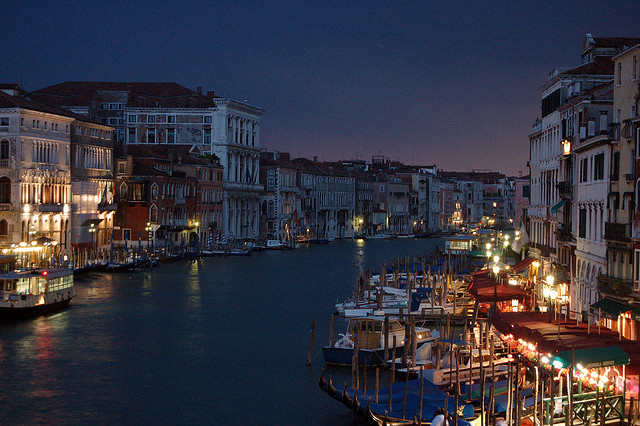
- Venice: don’t picnic on a bridge. Sitting on bridges, steps or monuments to eat or drink can cost about 100 to 200 euros, and swimming in a canal about 350. Since August 2024 tour groups are capped at 25 people and guides can’t use loudspeakers. Feeding the pigeons in St. Mark’s Square is banned, and the vendors who used to sell birdseed there are long gone. On set days in spring and summer, day-trippers also pay an access fee to enter the historic center. Check our Venice guide before you go.
- Milan: step away to smoke. Since 1 January 2025 you can’t smoke anywhere outdoors in public in Milan (streets, parks, cafe terraces) unless you are at least 10 meters from other people. Fines run from 40 to 240 euros. E-cigarettes aren’t covered.
- Anywhere: don’t buy the fake handbag. In most countries the seller takes the risk. In Italy the buyer can be fined too, from 100 up to 7,000 euros, and the goods are confiscated. Buying anything from an unlicensed street seller is also illegal.
- Anywhere: carry ID. You must have photo ID on you at all times, and police can ask to see it. For most visitors that means the passport; drivers can be asked for it too.
- South Tyrol: pick up after your dog. In 2008 a town in northern Italy floated the idea of matching dog droppings to their owners by DNA. The province of Bolzano actually did it, launching a dog DNA register in 2024 with fines of up to 600 euros per offense, though many owners refused to sign up. It then announced a 1.50 euro daily tax on visiting dogs from 2026 (CNN reported the plan in September 2025). If you travel with a dog, ask your hotel what applies when you book.
The court rulings that made headlines
- In 2008, Italy’s highest court upheld the conviction of a man for grabbing his own crotch in public. Italian men do it for luck, to ward off the evil eye, and the court decided that was no excuse for being lewd. I doubt the habit has died.
- The reverse is no joke either. Italian courts treat groping, bottom-pinching included, as sexual assault.
- In 2005 Rome banned goldfish bowls on animal cruelty grounds, along with giving goldfish away as fairground prizes.
The mayors’ ban craze
Most of the headline-grabbing bans came from one burst of local rule-making. A 2008 national law let mayors issue ordinances on anything that could affect “public order and security,” and by 2010 the Guardian counted more than 150 new local prohibitions. Among them:
- Eboli, south of Naples, banned kissing in parked cars. This from the same country where another town once set aside a parking lot for young couples.
- Eraclea, on the beach near Venice, banned building sandcastles.
- Lerici, on the Riviera, banned hanging a towel out of the window to dry.
- Positano and Capri banned noisy wedge-heeled shoes on their steep, stepped lanes.
- Lucca banned new kebab shops and other “ethnic” restaurants in its historic center in 2009. That one was pushed by the Lega Nord (now just the Lega) and was a far-from-subtle message to non-Italians.
In 2011 Italy’s Constitutional Court reined that power in, ruling that mayors can’t use it to write open-ended bans outside a genuine emergency. Many of these ordinances were temporary to begin with, and plenty have lapsed. So treat the list above as a snapshot of 2008 to 2010, not as a list of fines waiting for you, and if you are staying somewhere small, the tourist office or your host can tell you what is actually enforced this year.
photo by steakpinpall