
Why Getting Lost in Venice is a Good Thing
· Updated · BootsnAll
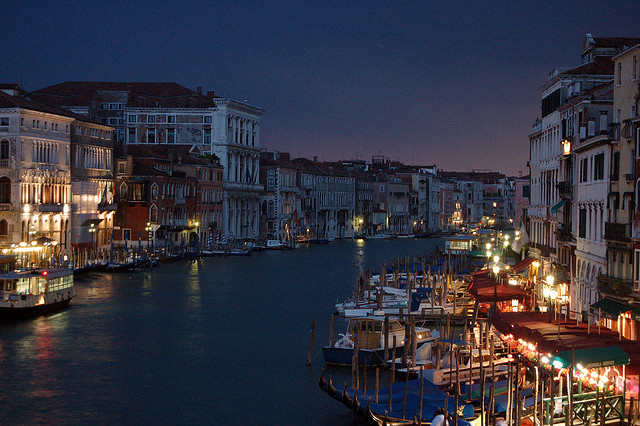
 Venice seems to inspire either love or hate - I’ve yet to meet someone who is wishy-washy about it. Before my first visit, I remember being warned of the smelly canals and cruise ship crowds - and despite being there in the heat of mid-July, there wasn’t a whiff of anything foul in the air; and we overnighted in Venice for a couple days and so were treated to the post-crowd city. As it turns out, I’m one of those people who loves Venice.
A visit to Venice isn’t about checking off a list of things to see, rather the city itself is the thing to see. I might think you can’t leave Venice without setting foot in the Basilica San Marco (perhaps my favorite church anywhere), and while there you might as well take a tour of the Doge’s Palace nextdoor and take the elevator to the top of the Campanile (the church’s bell tower). If you’re an modern art lover, there’s a Guggenheim museum on the Grand Canal, and Leonardo’s Vitruvian Man is housed in a Venetian museum.
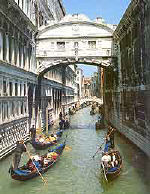
But really, the point of Venice - for me, anyway - is to wander its maze-like alleyways and bridges, getting thoroughly lost and then finding your way back to something familiar. It’s about accidentally finding a gondola workshop where the men are working their lathes into the groove of the boats outside in the sun. It’s about seeing a market boat (rather than a brick-and-mortar store) selling Venice’s few residents their vegetables and fish. And it’s quite a challenge to do any of that in a day-trip, or by staying close to the Piazza San Marco.
So get away from the crowds. If you’re staying overnight, the evenings and early mornings, after the day-trippers have left, are when Venice is at its best. (Day-trippers now pay an access fee on some peak days between April and July; the calendar is at cda.ve.it.)