Things You Should Know About Italy
· Updated · BootsnAll
Italy is so familiar from movies, menus and friends' photos that it's easy to assume you already know the basics. You've picked your cities, you know which famous sights live in each one, and maybe you've read up on the history of Italy for context.
That's a good start. You'll still land missing a few things that make a real difference on the ground, and several of them have changed in just the last few years. Here's what I'd want a friend to know before their first (or fifth) trip.
Italy might be small, but it can take a while to get around.
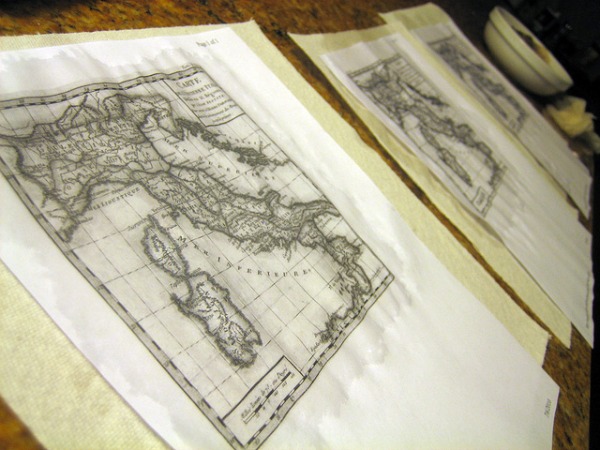
Italy runs about as far from top to toe as California, and it's only slightly bigger than Arizona. It's tempting to lay a map of Italy over a place you know and assume travel times will match. That's where itineraries go wrong.
Between the big cities, trains are fast. High-speed trains run Rome to Florence in about an hour and a half and Milan to Rome in under three hours, with dozens of departures a day from two competing operators, Trenitalia and Italo. Fares are priced like airfares, so booking a few weeks out can cost a fraction of the walk-up price. The catch is everything off that main line. A hill town 60 kilometers from Florence can take longer to reach than Rome does, because it's regional trains, a change, and a bus.
So look up real travel times before you lock in an itinerary. Nothing stings like planning a full day in Venice and getting four hours of it after a slow connection. For trains, the Trenitalia and Italo sites show every option and price; our guide to buying Italy train tickets walks through it. If you're driving, I like ViaMichelin, which estimates drive time, tolls and fuel. Italy also has national coach networks now, FlixBus and Itabus, which are often the cheapest way between cities and sometimes the only direct option.
The famous sights now run on reservations.
This is the single biggest change from a decade ago. The headline sights moved to timed tickets, and several now print your name on them. The Colosseum and Pompeii both sell named tickets, so carry ID that matches. Leonardo's Last Supper in Milan releases tickets three months at a time, and they go fast. The Vatican Museums sell online only through their own site, tickets.museivaticani.va, and warn about look-alike resellers.
A few places that used to be free now charge. The Pantheon costs about 7 euros in 2026. Getting down to the basin of the Trevi Fountain has cost non-residents 2 euros since February 2026, though the piazza itself is still free.
The fix is simple: book the two or three things you'd be crushed to miss as soon as your dates are firm, and leave the rest of the day loose. Most churches, piazzas and neighborhoods still need no ticket at all, and they're half the reason to come.
The pandemic rules are gone. Some pandemic habits stayed.
Italy dropped its COVID entry rules back in 2022, and there's nothing pandemic-related to prepare for now. What did stick is the way Italy handles crowds. Timed entry slots spread through the museums during those years and never left. Cards and phones replaced cash for most everyday payments. And after tourism came roaring back, cities started actively limiting visitors: Venice charges day-trippers an access fee on peak days in spring and summer (5 euros booked ahead in 2026, 10 euros last-minute; check the calendar at cda.ve.it), the Cinque Terre's Via dell'Amore now runs on booked 30-minute slots, and Capri capped the size of tour groups in 2026.
None of it is hard to deal with. It just rewards the traveler who checks the rules for each stop before arriving rather than at the gate.
Your passport gets scanned, not stamped.
Italy is in the Schengen area, so visitors from the US, Canada, the UK, Australia and New Zealand can stay up to 90 days in any 180-day period, counted across all the Schengen countries together. Your passport needs to be less than 10 years old on the day you arrive and valid for at least three months after you plan to leave.
What's new is the EU's Entry/Exit System (EES), fully running since April 2026. On your first entry the border takes your fingerprints and a photo instead of stamping your passport, so budget a little extra time at passport control on that first trip. You may also have read about ETIAS, the online travel authorization for visa-free visitors. As of September 2026 it is not yet in operation and has no start date. When it launches it will cost 20 euros. The start date will be announced on the EU's ETIAS page months ahead. Until then, any site that asks you to pay for an ETIAS is not the EU.
Money works differently than you'd guess.
Every business in Italy has had to accept card payments since mid-2022, and tapping a card or phone is normal almost everywhere. Carry some cash anyway for 1-euro espressos at the bar, market stalls and small-town places. Our guide to using debit cards in Italy covers ATMs and the fees to dodge.
Two charges surprise people. Many restaurants add a per-person cover charge, the coperto, which is normal and should be printed on the menu. And nearly every Italian city charges a nightly tourist tax, paid to your hotel or host on top of the room rate, often in cash at checkout. In Rome it's 4 to 10 euros per person per night in 2026, depending on the hotel's stars. Tipping, on the other hand, isn't expected. Rounding up for good service is plenty.
Italians are extremely forgiving of our bad language skills.
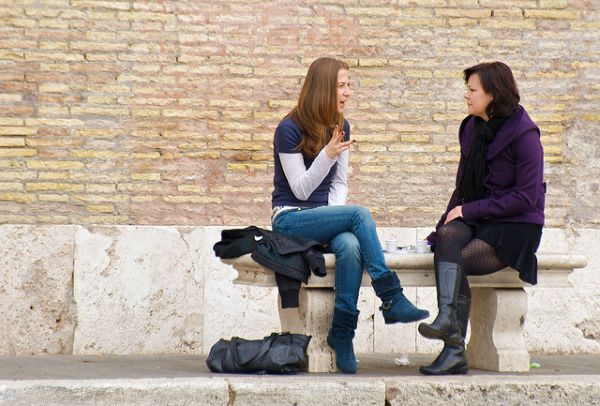
One of the things I learned to love about Italians very early on was how happy they were every time I tried (and stumbled over) the Italian language. I'd get through the simplest, briefest sentence and hear, "Oh, you speak Italian so well!" when I knew I didn't. It wasn't empty flattery. They were genuinely pleased I was making an effort and knew more than three words.
My theory, years later, is that Italians know how rarely anyone outside Italy bothers to learn their language. Even in Italy, people routinely asked me why I was learning it.
What this means for you is that it doesn't take fluency to charm people. Learn more than a handful of words and you'll get plenty of happy replies. Not everyone in Venice in August will be thrilled by your "buongiorno," but you'll be surprised how far a small set of phrases goes. Italians will often correct your pronunciation, too, and it's not snide. They want to help you get it right.
Two cautions. It's not always a good idea to say "ciao" to everyone you meet. And regional dialects can be so strong they barely sound related to Italian, so if you suddenly can't follow a word, it may not be your Italian that's the problem.
There's no such thing as "Italian food."
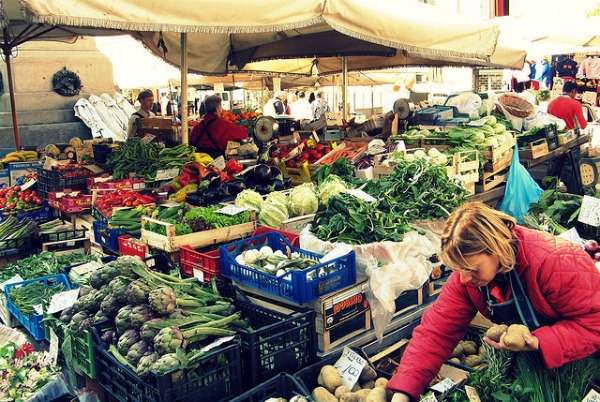
One of the biggest misconceptions about Italy is that there's a single cuisine called "Italian food." The Italian restaurants back home give us a false sense of authority. In Italy, cooking is fiercely regional. Two towns a few kilometers apart will make the same dish differently, each convinced the other has it wrong. And every Italian knows the best version is the way Mamma makes it.
That's good news for you, because there's far more to eat than you expect. Find out what's local and in season wherever you are, then order it. My favorite guide to doing this is a book that's now (sadly) out of print, but you can do nearly as well by wandering an Italian food market. See which produce, fish and meats dominate the stalls, and you'll know what to look for on menus.
Pizza was born in Naples and Rome claims spaghetti alla carbonara, and you'll find both across the country. But nearly every menu also has dishes built on local ingredients, and those are the ones you don't want to miss. UNESCO added Italian cooking to its list of intangible cultural heritage in December 2025, which Italians took as confirmation of what they'd been saying all along.
For a meal in a local home, the network I used to know as Home Food now trades as Cesarine. The idea hasn't changed: regional dishes cooked in a private home by people who grew up eating them.
There is still an "off the beaten path" in Italy.
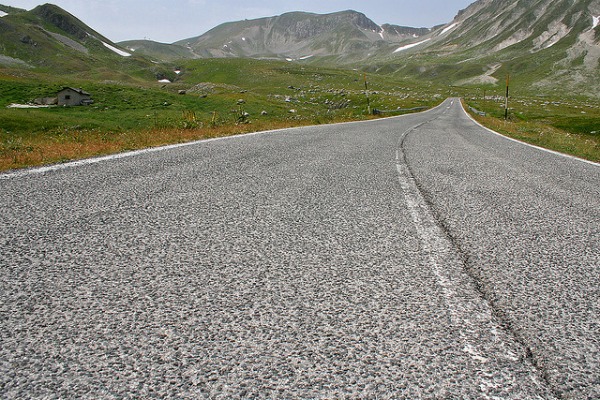
In a country with this many visitors, you'd assume empty corners are gone. They aren't, even in the busiest places.
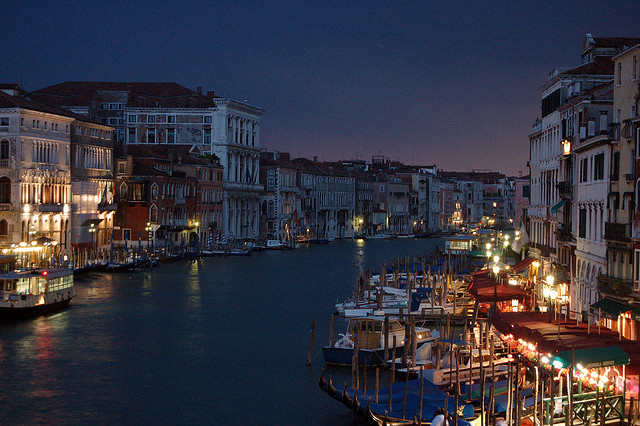
Venice is the best example. It's small and famously packed, yet most visitors stick to one route between the train station, the Rialto and St. Mark's Square. It only takes a couple of minutes of walking away from that path to find quiet streets. Stay overnight and you'll see the city after the day-trippers leave, which is a different place entirely.
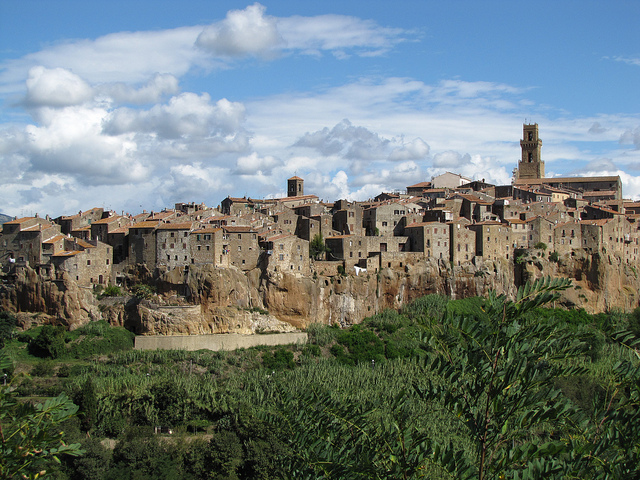
Tuscany works the same way. The crowds follow the rail line and the tour-bus stops. Rent a car, take whatever road looks interesting, and you'll have villages nearly to yourself. (Just learn about ZTLs, the camera-enforced no-traffic zones in historic centers, before you drive into one. Our guide to driving in Italy explains them.)
For real hinterland, go south. Even Naples gets skipped by travelers racing to Pompeii or the Amalfi Coast, and most of southern Italy sees few foreign visitors outside the summer beach crush. In the north, the same rule applies: get away from the towns on the rail line. Places served by bus but not train sit nicely in between, quieter than the big cities without making you drive.
A few rules that catch visitors out.
Carry photo ID at all times; police can ask for it, and your hotel will scan your passport at check-in (they hand it straight back). In Rome you can be fined for sitting on the Spanish Steps or wading in a fountain. Venice fines people for picnicking on bridges and steps and for swimming in the canals. Buying fake designer goods from street sellers is an offense for the buyer as well as the seller, with fines starting at 100 euros. And Milan bans smoking outdoors anywhere within 10 meters of other people. None of this comes up if you treat the place like someone's hometown, which it is.
More things you should know about Italy...
I've written similar guides for individual cities and regions. Here's the whole collection:
- Things You Should Know About the Amalfi Coast
- Things You Should Know About the Cinque Terre
- Things You Should Know About Florence
- Things You Should Know About Milan
- Things You Should Know About Naples
- Things You Should Know About Rome
- Things You Should Know About Venice
photos, top to bottom, by: Etsy Ketsy, Ed Yourdon, Randy OHC, Roby Ferrari