
How to Budget for an Italy Trip
· Updated · BootsnAll
 Almost every question readers send this site falls into one of two piles: where should I go, and how much will it cost? We've covered the first in the ideal two-week Italy itinerary for a first-time visitor and in how to create the perfect Italy itinerary. This page is the second pile.
Italy isn't a cheap destination, and it has got noticeably pricier since the mid-2010s, especially for hotels in the big three cities and for museum tickets. But it's also a country where a €2 coffee at the bar, a €15 plate of pasta and a free church full of Caravaggios are completely normal. How much you spend depends far more on how you travel than on where you go.
Below, we go category by category: what drives the cost, roughly what it runs in 2026, and where to save. Treat every figure as a ballpark. Prices move, and you should check the current rate for your own dates as you plan.
>> Further reading: How to Visit Italy on a Budget, Daily Budget for Italy
A quick daily budget for 2026
Here's what one person typically spends per day in Italy's main tourist cities in 2026, not counting flights to Italy. These are rough ranges drawn from 2026 price surveys and local price data; Venice, the Amalfi Coast and Lake Como sit at the top of each range or above it, and the south and smaller towns at the bottom.
| Per person, per day | Budget | Mid-range | Comfortable |
|---|---|---|---|
| Bed | €25 to 50 (hostel dorm) | €60 to 125 (half a double in a 2 to 3 star hotel or B&B) | €150 and up (half a double) |
| Food and drink | €30 to 45 | €60 to 100 | €110 and up |
| Sights and local transport | €10 to 20 | €25 to 40 | €50 and up (guided tours) |
| Total | about €65 to 115 | about €145 to 265 | €300 and up |
Add intercity trains on top (see below), plus the city tourist tax, which is charged per person per night at your hotel.
How to Figure Out What an Italy Trip will Cost
Airfare
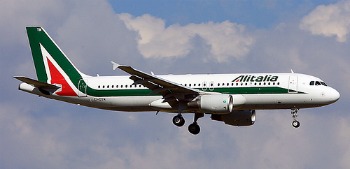 The cost of a flight to Italy depends mostly on two things: when you fly, and where you fly from. Summer, roughly mid-May to mid-September, is the most expensive time, along with Easter and Christmas. The further your home airport is from Italy, the more you pay.
Fares are usually lowest in winter, and January and February regularly bring big sales. If cold weather isn't your idea of Italy, the best balance of weather and price is the shoulder season: March, April and October, avoiding Easter week.
Flights from North America to Italy often cost more than flights to London, Paris, Amsterdam or Frankfurt. If price is everything, look at flying into one of those hubs and taking a budget flight or a train the rest of the way. And don't assume Rome is the cheapest Italian airport: airfare to Milan or airfare to Venice sometimes undercuts airfare to Rome. Set a fare alert for two or three airports as soon as you have rough dates.
What will airfare to Italy cost?
Summer fares from North America are the highest of the year, winter sales from the US east coast can cost a fraction of that, and west coast fares run higher in every season. This is usually the biggest single line in your budget, so it's where research pays off most. If you don't need a visa for Italy (the US, Canada, the UK and Australia among others), note that the EU's ETIAS travel authorization isn't required yet; when it starts it will cost €20, so check before you travel.
>> Further reading: How to Find Cheap Airfare to Italy, Cheap Airfare to Rome, Cheap Airfare to Milan, Cheap Airfare to Venice
Accommodation
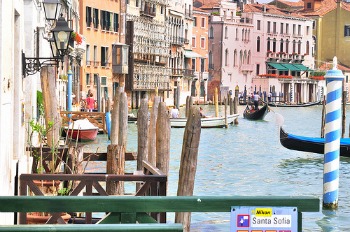 This is the category with the widest range, and the one you have the most control over.
Rates follow the calendar. Summer is peak, and so are Easter, Christmas, New Year's and, in Venice, Carnevale. Every city also has its own festivals, trade fairs and big events that push prices up; if rates look oddly high for your dates, check the Italy festivals and events calendar.
Then there's the type of place. A bunk in a six-bed hostel dorm costs a fraction of a double room with a private bathroom in a 3-star hotel, and Italian star ratings measure facilities, not charm or location, so a well-run 2-star can beat a tired 3-star. Beyond hotels and hostels, you can choose from B&Bs, pensioni, apartments, convents, campsites and agriturismi (farm stays).
What will accommodation in Italy cost?
In 2026, a hostel dorm bed in a big city usually runs about €25 to €40, and more in Venice and in summer. A double in a simple 2 or 3 star hotel or a B&B is roughly €100 to €200 a night in Rome, Florence and Venice in high season, less in the south, in smaller towns and in winter. On top of that comes the city tourist tax: a per-person, per-night charge that depends on the type of lodging and its stars, is usually paid at the hotel (often in cash), and isn't included in most booking prices. In 2026 it's about €4 to €10 a night in Rome and €3.50 to €8 in Florence, with caps on the number of nights and exemptions for young children.
To save money, stay a few train stops outside the center, or in a less famous town nearby. In big cities, look up "camping": city campsites usually have cabins and bungalows and are nothing like pitching a tent. In the countryside, an apartment or an agriturismo is often the best value for families. Any legal rental in Italy must display a national ID code (the CIN) on its listing; skip listings that don't show one.
>> Further reading: Different Types of Accommodation in Italy, What the Italy Hotel Star Rating System Means, What Italian Agriturismo Means, learn about vacation rentals in Italy, search for Italy hotels, search for Italy hostels
In-Country Transportation
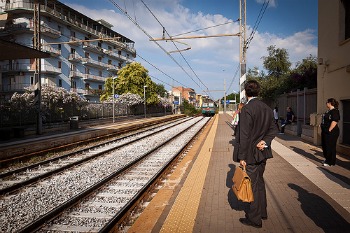 The right way to get around depends on where you're going and how many of you there are. A solo traveler sticking to cities and big towns does fine with trains and the odd bus. A family of four heading into the countryside will probably want a car for at least part of the trip.
Trains are still the best mix of speed and price between cities. High-speed trains are run by Trenitalia (the Frecciarossa) and by a private competitor, Italo, and both price their tickets like airfares: cheap if you book early, expensive on the day. Regional trains have fixed, much lower fares that don't change with demand. Buses are cheaper again, and national coach companies such as FlixBus and Itabus link the big cities, though a trip like Rome to Venice takes far longer by coach than on a fast train.
Driving in Italian cities is a headache you don't need. Most historic centers are camera-enforced limited traffic zones (ZTLs), and driving into one by mistake costs roughly €83 to €332 per camera, plus your rental company's admin fee. Outside the cities, though, a car is often the best way to see places like Tuscany, Sicily or Piedmont. The budget move is to take trains between cities and rent a car only for the few countryside days. The cheapest rentals are manual; automatics cost more and sell out in summer.
What will transportation in Italy cost?
Book fast trains ahead and you'll often pay about €15 to €30 in 2026 for trips like Rome to Florence or Rome to Naples, and about €30 for Rome to Venice. Buy the same ticket on the day and it can cost several times that. City transport is cheap: a single ride in Rome is about €1.50 and in Milan about €2.20. There are two kinds of Italy rail pass: the Interrail Italy Pass (since September 2026 the only version Interrail sells, to travelers of any nationality) and Trenitalia's own Trenitalia Pass for visitors who live outside Italy, from about €139 in 2026 for a set number of journeys. Neither is valid on Italo, and on a typical two-week trip with four or five train rides, advance point-to-point tickets usually come out cheaper. For a rental car, prices swing with the season and how early you book, so compare a few companies and add fuel, tolls and parking.
>> Further reading: Getting Around Italy: What You Need to Know, Train Travel in Italy, When to Buy an Italy Rail Pass, When to Buy Italy Train Tickets, First Class vs. Second Class on Italy Trains, Bus Travel in Italy, Renting a Car in Italy, Driving in Italy
Meals
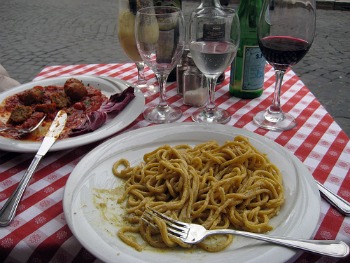 Nobody goes to Italy to skimp on food, and you don't have to. Eating well without spending a fortune is easier here than almost anywhere in Western Europe.
If breakfast is included in your room rate (and the rate doesn't go up to cover it), eat it. Shop the markets for picnic lunches, and if you have a kitchen in an apartment or hostel, cook a few dinners with whatever's in season; it's easy to put together a feast for a few euros. Even if you buy nothing, a morning at an outdoor market shows you what's local and in season, which is exactly what you want to order at dinner.
When you eat out, seasonal and local dishes are usually both the cheapest and the best things on the menu. A whole pizza in a Naples pizzeria is still one of the best-value meals in the country. Restaurants with menus translated into five languages and a host out front charge more for worse food, so walk two streets away from the big sights. Where a place serves lunch and dinner, lunch is often cheaper.
Street food is common, but eating on the go isn't really an Italian thing. Even a slice of pizza wrapped in paper from a Naples window gets eaten sitting on a bench or a step. (In Rome and Venice, check first: sitting to eat on some monuments and steps, including the Spanish Steps, can get you fined.)
A few menu habits save money. Vegetables and salads don't come with the main course; they're ordered separately as a contorno. You don't have to order every course: an antipasto and a pasta, or a main and a salad, is completely normal, and most Italians only do the full antipasto, primo, secondo, contorno, dolce run on special occasions.
Order "water" and you'll get bottled. If you want tap water, ask for acqua del rubinetto; some places will bring it, some won't. The house wine by the carafe is usually local, good and cheap.
What will food and drinks in Italy cost?
Breakfast is the cheapest meal: a cappuccino and a cornetto at the bar cost about €2.50 to €4 in 2026, and a cappuccino alone averages under €2 in Rome. Drink it standing at the counter, because the same coffee costs more at a table. A simple sit-down meal in an inexpensive trattoria runs about €15 in Rome and Naples and nearer €20 to €25 in Florence. A pasta dish costs less than a meat or fish main, and every price climbs the closer you sit to a famous piazza. Gelato and an afternoon espresso are cheap pleasures.
Many restaurants add a per-person cover charge (coperto), which must be shown on the menu. Lazio, which includes Rome, bans it by regional law, though some Roman restaurants still add one or charge for bread. Tipping isn't expected: most Italians leave nothing or round up a euro or two, and some bills already add a service charge (servizio). Leave more if the service was outstanding, but don't calculate 15 to 20% on every meal. Paying by card is easy, since every business in Italy has had to accept card payments since 2022, though small bars and market stalls may still prefer cash.
>> Further reading: Italian Food 101, Different Kinds of Restaurants in Italy, Tipping in Italy, How to Shop in Italian Food Markets, How to Order Gelato in Italy, Italian Coffee 101, Menu Tips for Italy
Attractions & Activities
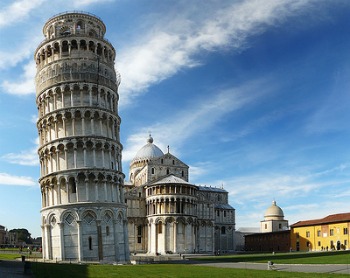 This is the easiest category to estimate ahead of time: list the sights you won't skip, look up their official prices, and add them up. It's also the category that has risen fastest. Big-name tickets that cost €10 or so fifteen years ago now cost about double, and most of them sell timed slots that you need to book ahead.
Plenty of Italy's best sights are still free. St. Peter's Basilica costs nothing to enter (the dome climb is extra), and so does Florence's cathedral itself. Others that used to be free now charge: St. Mark's Basilica in Venice, the Duomo in Milan, the Pantheon in Rome, and even the steps down to the Trevi Fountain basin (€2 since February 2026; the view from the piazza is still free). Ordinary churches all over Italy hold art that would be the star of most museums, and usually cost nothing or a small donation, so poke your head into any church that's open.
Italian state museums and sites, including the Colosseum and the Uffizi, are free on the first Sunday of the month. That sounds like a bargain, but you still need to reserve a slot, and those days are packed. Most big cities also sell discount passes that bundle museums and public transport, such as the Roma Pass, the Firenze Card and the Campania Artecard in Naples. They pay off only if you'd visit enough of the included sights anyway, so do the math.
If you take a guided tour and the guide is good, a few euros as a tip is a nice gesture, even though you've paid for the tour.
What will attractions cost in Italy?
Standard adult prices in 2026: the Colosseum (with the Forum and Palatine) about €18, the Vatican Museums about €20 plus a €5 online booking fee, the Leaning Tower of Pisa about €20, the Uffizi in Florence about €25 (€29 booked ahead), The Last Supper in Milan about €15, and Pompeii about €20. The Colosseum and Pompeii put your name on the ticket, so carry matching ID. In Venice on peak spring and early summer days, day-trippers also pay an access fee of €5 to €10 to enter the historic center; overnight guests are exempt but must register.
>> Further reading: What to Do in Italy, Free Things to Do in Italy, Discount Passes for Rome
Shopping
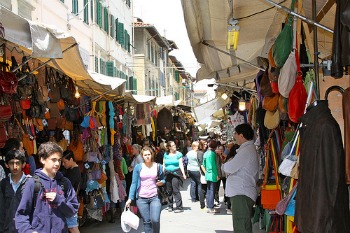 Only you can decide what to spend on souvenirs, clothes and gifts. The Prada store in Milan's Galleria will pull at you, and the old rule applies: if you have to ask the price, you probably can't afford it.
The souvenir carts around the big sights are full of cheap, mass-produced stuff that isn't worth even the few euros they ask. Skip the fake designer bags on blankets too: buying counterfeits in Italy is an offence for the buyer, with fines from €100 and up. The weekly outdoor markets in most towns are better for clothing, bags and shoes, though if you want a miniature gondola or a David, the tourist shops are your only option.
Before you go, find out what the places on your route are known for, because buying it at the source can cost a fraction of the price back home: ceramics from Deruta, glass from Murano, leather in Florence. On a big purchase, non-EU residents can claim back most of the 22% VAT, and remember to check how much you can bring home before paying import duty.
What will shopping in Italy cost?
Entirely up to you. Set a number before you leave, and spend it on one thing you'll use for years rather than twenty you won't.
>> Further reading: Shopping in Italy, Outlet Shopping in Italy, Duty Free Exemptions for Italy, How to Get a VAT Refund in Italy
Where It's Worth Splurging
 Budgeting isn't about denying yourself the experience you came for. Jessica, who built this site, happily paid what others considered outrageous prices for a great meal, and balked at paying more than €100 a night for most hotels (she stayed in some questionable places as a result). Decide which categories you'll scrimp on and which you'll splurge on. These three are where we think the extra money goes furthest.
- Venice hotels: in Venice it really is worth paying more to sleep in the historic center. It's not a case of pay more, get more (a 2-star in Venice can cost what a 4-star does in Naples), but the splurge is all about location. Staying on the mainland is cheaper, and you miss the quiet evenings and early mornings after the day-trippers leave, which are the best part of the city. If money is tight, spend just one night on the islands in the cheapest place you can stand (there are hostels in Venice, too).
- Tour guides: a good guide can make an amazing place far better. You can see Pompeii or the Vatican Museums on your own, but a guide who explains not only what you're looking at but why you should care makes the visit much more memorable. Jessica's favorite was Context Travel's small-group walks in Italy, and there are excellent independent licensed guides in every major city.
- Transportation, sometimes: public transport in Italy is cheap and generally good for getting from airports and stations into town. But once Jessica had dragged two big suitcases through Milan's metro and then walked twenty minutes to her hotel, she was converted. When you're carrying more than a daypack, especially in an unfamiliar city after a long travel day, take the train or bus into the center and then a taxi to the door. You'll spend a little more and save a lot of misery. You can figure out the bus system on day two.
What's your favorite splurge in Italy?
photos, top to bottom, by: Eric Caballero, Kok Vermeulen, gnuckx, jimmyweee, nikkigomez, M4rvin, brianandjaclyn, ivan.kovpak